Axiora Medical Axiora Medical

Custom OEM Trauma Implants Supplier & Suppliers

Global-Standard Orthopedic Trauma Fixation Systems & Professional Contract Manufacturing Solutions

1. Executive Summary & Biomechanical Standards in Trauma Fixation

Modern clinical orthopedics demands internal fixation solutions that operate at the interface of advanced mechanical engineering and bone biology. Trauma implants, including locking compression plates (LCP), intramedullary nails, and cannulated screws, are designed to stabilize complex fractures, facilitate anatomical reduction, and preserve local vascular supply. Under the AO Foundation's core tenets, these devices must deliver dynamic or static stabilization depending on the mechanical environment of the fracture zone.

The selection of raw materials is critical. Grade 5 Titanium (Ti-6Al-4V) and extra-low interstitial (ELI) Grade 23 (ASTM F136) are the gold standards due to their outstanding biocompatibility, high fatigue resistance under cyclic physiological loading, and low elastic modulus (approximately 110 GPa). The lower modulus compared to stainless steel (approx. 200 GPa) minimizes stress shielding, a major cause of peri-implant bone resorption and subsequent construct failure. For clinical success, structural geometry, screw-to-plate locking mechanisms, and precise thread designs must be optimized to ensure optimal load transfer and micromotion control at the fracture gap (ideally between 10% and 30% strain for secondary healing through callus formation).

15+
Years Industry Experience
100%
OQC CMM Inspected
86
R&D Engineers
$26M
Annual Export Revenue

2. Axiora Medical: High-Capacity OEM/ODM Manufacturing

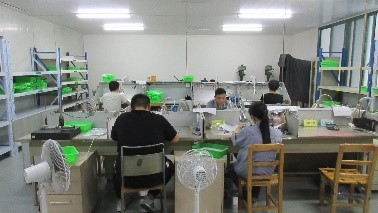
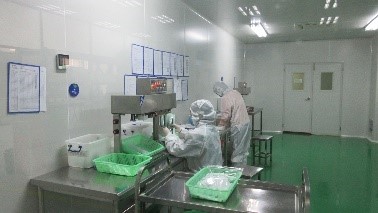
Axiora Medical Technology (China) Co., Ltd. is a leading manufacturer specializing in the research, development, production, and global supply of orthopedic implants and surgical tools. Our extensive catalog includes trauma fixation solutions, spinal implants, joint reconstruction systems, and specialized veterinary instrumentation. We operate a modern 18,600 m² factory utilizing precision CNC machining centers, automated polishing lines, and ISO Class 7 cleanrooms (Class 10,000) for sterile packaging.

Our OEM and ODM capabilities allow us to manage the complete product lifecycle, transforming customer engineering drawings or clinical CT scans into custom implants. Supported by 86 dedicated R&D engineers, we execute rapid prototyping, finite element analysis (FEA), and mechanical verification (tensile, compression, and fatigue testing) to guarantee performance prior to bulk manufacturing.

Item Details
Company Name Axiora Medical Technology (China) Co., Ltd.
Brand Axiora
Established / Experience Established 2017 | 15 Years Industry Experience | 8 Years Export Experience
Factory Infrastructure 18,600 m² Production Area | 48 Quality Control Specialists | 86 R&D Engineers
Key Quality Inspection Methods Coordinate Measuring Machine (CMM), Tensile Testing, Hardness Testing, Surface Roughness Inspection, Salt Spray Testing
Annual Output Capacity USD 26 Million Export Value | 126 New Product Configurations Released Annually
Compliance & Operations 100% Finished Product Inspection, Raw Material Traceability (MTR), Custom Packaging & Direct-to-Hospital Supply

Industrial Supply Chain: Why Source Trauma Implants from China?

Leveraging advanced manufacturing clusters, strict quality control, and cost efficiencies for global orthopedic supply.

1. Material Traceability & Metallurgy

We source medical-grade titanium alloys and ultra-high molecular weight polyethylene (UHMWPE) from certified international suppliers. Every batch is accompanied by material test reports (MTR) detailing chemical compositions and tensile properties under ASTM standards.

2. Precision CNC Milling & Swiss Lathes

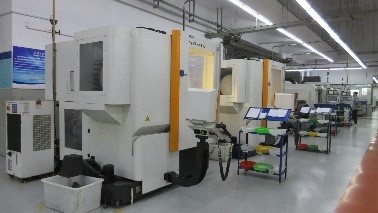
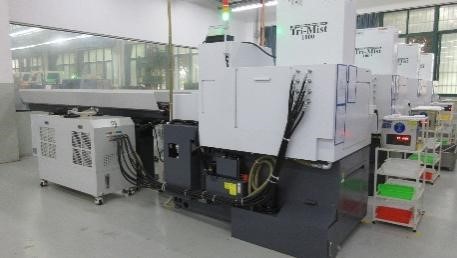
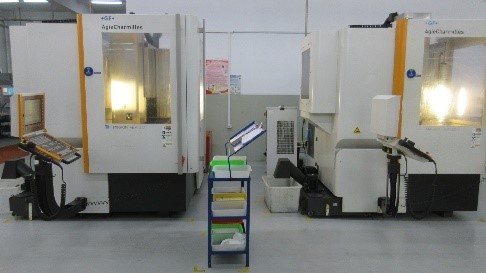
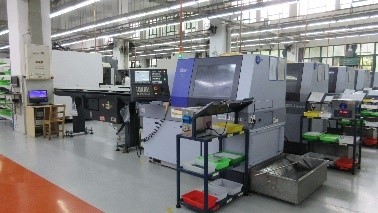
Our workshops feature multi-axis CNC milling machines and high-speed Swiss-type lathes capable of manufacturing complex structures like bone screws, anatomical dynamic plates, and cannulated instruments with tolerances within ±0.005mm.

3. Complete Quality Control Matrix

We maintain a rigorous quality assurance framework. From raw materials to finished implants, our processes incorporate CMM measurements, mechanical fatigue tests, non-destructive penetrant testing, and surface roughness evaluations.

China's orthopedic manufacturing sector has evolved from producing basic components to developing high-tech, customized implants. The consolidation of raw material processors, specialized heat-treatment facilities, cleanroom packaging plants, and international logistics networks creates a highly responsive supply chain.

This allows OEM buyers, medical device distributors, and hospital purchasing committees to reduce lead times and optimize costs while complying with CE, FDA, and ISO standards. Axiora manages this ecosystem to deliver stable and reliable supply options for international markets.

The Complete Orthopedic Manufacturing Process

An overview of our end-to-end manufacturing and inspection procedures, ensuring reliable clinical performance.
Raw Material Inspection
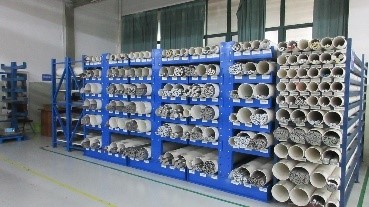
Raw Material Control
Longitudinal Cutting
CNC Machining
CNC Milling
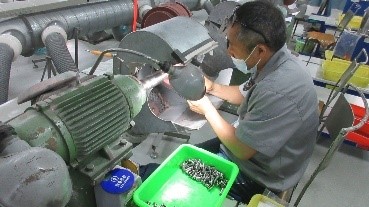
Polishing
Precision Polishing
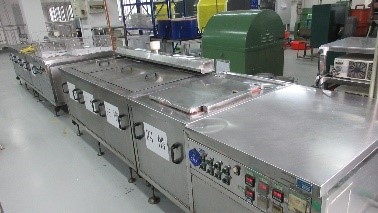
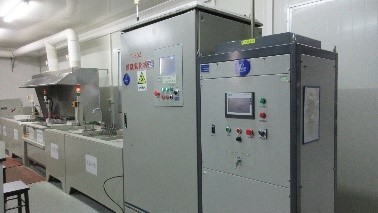
Ultrasonic Washing 1
Ultrasonic Washing I
Grinding Processing
Fine Grinding
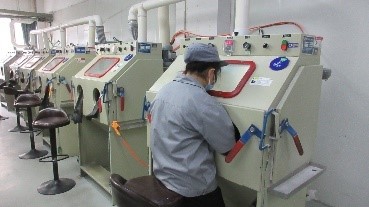
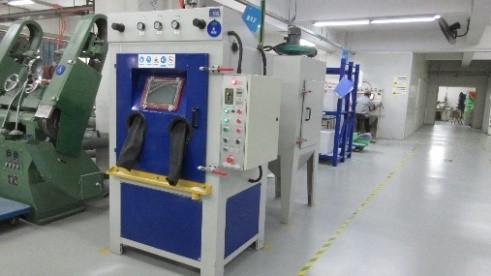
Sand-Blasting
Sand-Blasting
Penetrant Testing
Penetrant Testing
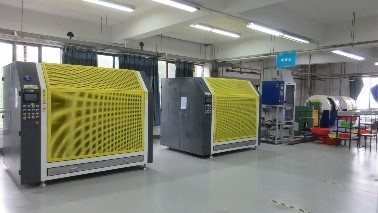
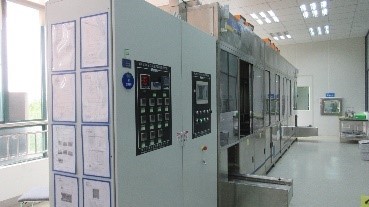
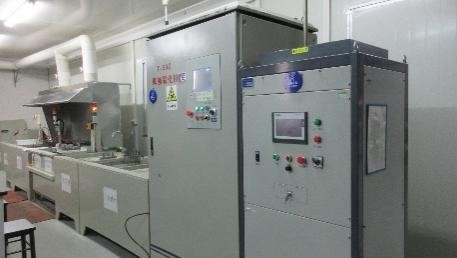
Anodizing
Anodizing
Ultrasonic Washing 2
Ultrasonic Washing II
Outgoing Quality Control
OQC Inspection
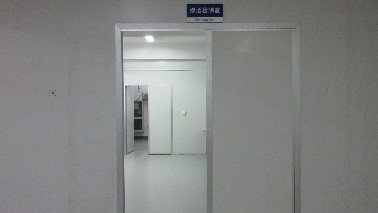
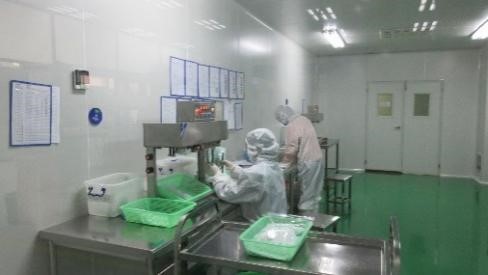
Aseptic Packing Room
Aseptic Cleanroom
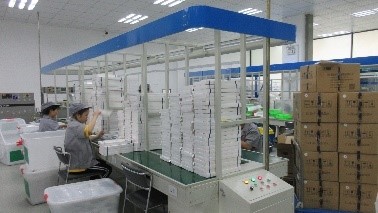
Packing Line
Packaging Line
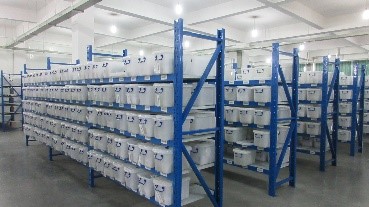
Storage Area
Finished Goods Storage
Longitudinal Cutting Lathe
CNC Workshop
CNC Machining Center
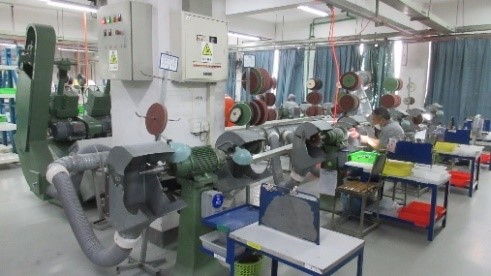
Polishing Machine
Polishing Systems
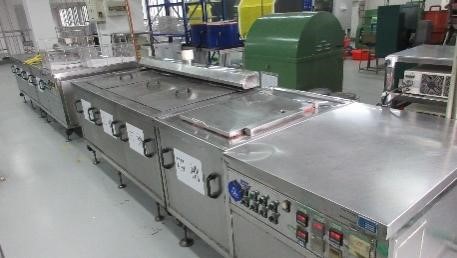
Ultrasonic Washing Unit
Ultrasonic Cleansing Unit
Grinding Machine
Grinding Equipment
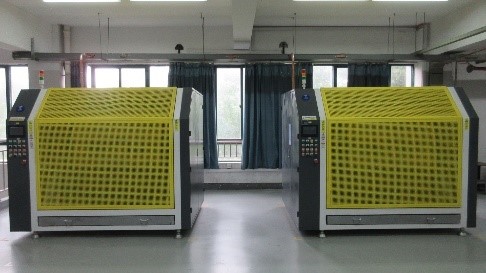
Sand-Blasting Machine
Sand-Blasting Station
Anodizing Machine
Anodizing Station
Aseptic Packing Room - Alternate
Sterile Packaging Suite
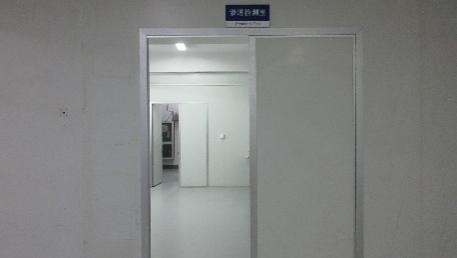
Penetrant Testing Room
Non-Destructive Testing
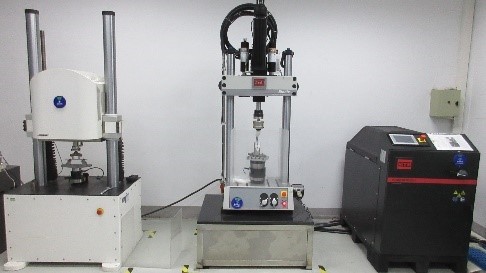
Endurance Tester
Endurance Testing
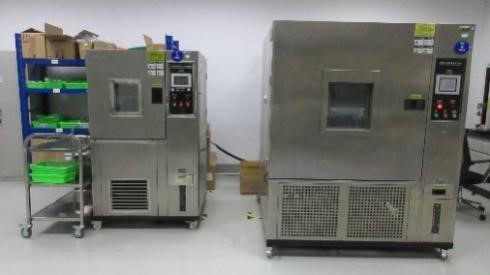
Aging Tester
Environmental Aging Tester

4. Technology Trends & Clinical Adaptability in Global Orthopedics

The orthopedic industry is adopting new manufacturing techniques and clinical applications. Key technical trends include:

  • Additive Manufacturing (3D Printing): Utilizes selective laser melting (SLM) to produce highly porous titanium structures that mimic human trabecular bone, accelerating osseointegration and reducing the risks of implant loosening.
  • Surface Modifications & Type II Anodization: Anodization modifies the surface topography of titanium implants, increasing wear resistance and fatigue strength while acting as a barrier to ion release in physiological environments.
  • PEEK & Biocompatible Polymers: Polyetheretherketone (PEEK) is increasingly selected for spinal cages and specialty implants because of its radiolucency and elastic modulus, which is close to cortical bone.
  • Smart Dynamic Fixation: The integration of micro-machined locking features allows micro-motion adjustments during rehabilitation, balancing stability and healing kinetics.

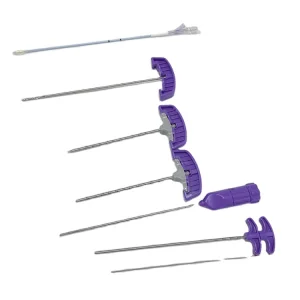
Furthermore, customized design solutions are vital for managing complex cases, including reconstructive interventions after tumor resections, pediatric bone deformities, and revision joint surgeries. These clinical scenarios require dedicated instrument sets, including positioning devices and flexible reamers, to support surgical accuracy and reduce operating time.

5. Operational Scenarios & Global Procurement Strategies

Sourcing orthopedic implants requires balancing clinical requirements, regulatory compliance, and cost considerations. Different buyers require tailored procurement pathways:

  • Hospital Groups & Purchasing Committees: Prioritize compliance verification, including CE markings and sterile validation parameters (ISO 11607). Single-sterile packaged implants are often preferred to reduce autoclaving costs and contamination risks.
  • Medical Device Brands & Distributors: Focus on supply chain reliability, OEM customization flexibility, and technical support. Axiora offers private labeling, custom packaging, and engineering adjustments to support brand entry in diverse regulatory environments.
  • Government Procurement & Tenders: Require high-volume capacity, consistent manufacturing quality, and competitive cost structures. Axiora’s automated production facility and integrated QA processes meet these requirements for tender projects.

Technical Q&A & Regulatory FAQ

Essential insights into the engineering, compliance, and material standards of trauma implants.

What material standards does Axiora follow for trauma implants?
Axiora manufactures implants using medical-grade Titanium Alloy (Ti-6Al-4V ELI) conforming to ASTM F136 and ISO 5832-3 standards. For surgical instruments, we utilize martensitic and austenitic stainless steel grades (e.g., 420, 316LVM) complying with ASTM F899 standards to ensure corrosion resistance and edge retention.
How is mechanical fatigue and load capacity validated?
Every implant design undergoes finite element analysis (FEA) followed by physical mechanical testing, including static tension and compression tests, plus fatigue testing (dynamic bending tests under ISO 14801 or ASTM F382 standards up to 5 million load cycles) to verify long-term stability and identify fatigue limits.
What is your validation process for sterile packaging?
Our cleanroom facilities operate under ISO Class 7 standards. Sterile packaging validations are executed in compliance with ISO 11607-1/2, detailing barrier integrity, seal strength (ASTM F88), peel characteristics, and accelerated aging protocols to establish shelf life.
How does Axiora support custom OEM product development?
We provide engineering support from concept drawings (2D/3D CAD models) to production. Our services include reverse engineering, CNC programming path optimization, mold design, and sample prototyping, ensuring transition from prototypes to scalable production.
What surface finish techniques are applied to trauma plates?
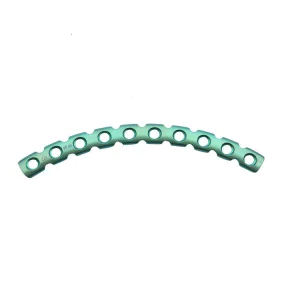
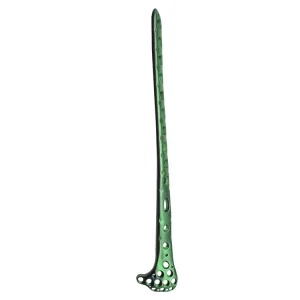
We utilize mechanical polishing, electropolishing, sand-blasting, and Type II anodization. These processes clean the surface, improve corrosion resistance, and create color-coded anodic films (e.g., blue, gold, green) for easy size recognition during surgeries.
How do you inspect and prevent micro-cracks in load-bearing implants?
We utilize non-destructive testing (NDT), including liquid penetrant testing and high-magnification optical microscopy. These methods check the surface after CNC machining and polishing to identify micro-fissures or stress concentrators before final cleaning and packaging.
What documentation accompanies shipments for regulatory clearance?
Shipments are supported by a documentation package, including Material Test Certificates, Certificate of Conformity (CoC), dimensional inspection reports (CMM data), sterilization validation records, and cleanroom bioburden reports, to simplify compliance reviews.
What are your production and shipping timelines for large OEM orders?
Standard OEM production ranges from 45 to 60 days, depending on geometry complexity and surface treatment requirements. Prototype samples are typically completed within 15 to 20 days. Shipments are managed via air freight or sea cargo, with tracking and export clearances handled by our logistics team.